Ambition without a seatbelt
High-pressure cultures are not automatically dangerous. Pretending the risk is not there is.

The post that started a conversation
I posted something on LinkedIn a few weeks ago that got more traction than I expected.
It was not a polished thought piece. It was a direct observation from years of working inside organisations that move fast, set big targets and expect a lot from their people.
Here is what I said, roughly:
High-pressure cultures are not automatically dangerous. Pretending the risk is not there is.
The responses told me this landed somewhere real.
What psychosocial safety actually means
Since 2023, Australian employers have had a legal obligation to manage psychosocial hazards at work. That is not just stress. It includes things like:
- Excessive workload or work intensity
- Low job control
- Poor support from managers or colleagues
- Lack of role clarity
- Traumatic events or content
- Remote or isolated work
- Bullying, harassment and conflict
The Work Health and Safety legislation in most states now requires employers to identify these hazards, assess the risk, and put controls in place. The same way you would for a physical hazard.
The ambition problem
Here is where it gets complicated.
A lot of high-performing organisations are genuinely exciting places to work. People choose them. They want the pace, the challenge, the sense that what they are doing matters.
And then something shifts.
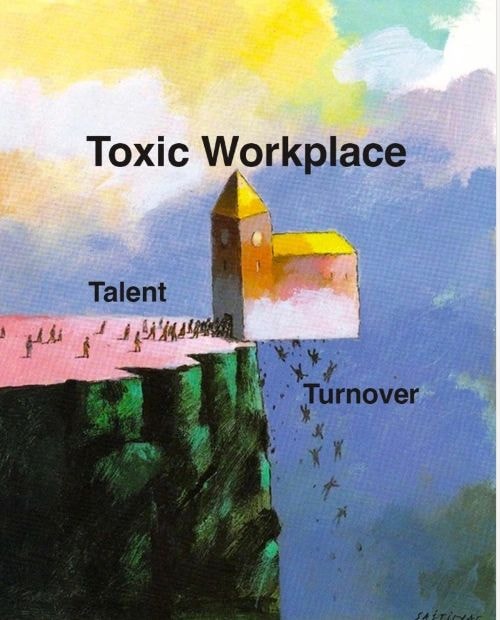
The workload becomes unsustainable. The support does not keep up with the expectations. Someone raises a concern and it gets minimised. A manager who is also stretched thin does not notice the signs until it is too late.
The organisation was not trying to harm anyone. But harm happened anyway.
What I see in practice
When I work with businesses on psychosocial safety, the gap is rarely in intention. Most leaders genuinely care about their people.
The gap is usually in systems.
There is no structured way for people to flag that they are struggling. There is no regular check-in that goes beyond task completion. There is no policy that gives managers a clear process when someone raises a concern.
And when something does go wrong, the organisation scrambles. The response is reactive, inconsistent, and sometimes makes things worse.
What good looks like
You do not have to choose between ambition and safety. But you do have to be deliberate.
Some of the most effective things I have seen organisations do:
Name the hazards. Do a proper psychosocial risk assessment. Not a tick-box exercise. A genuine conversation with your team about what makes their work hard.
Give managers tools, not just expectations. A manager who has never been trained to have a wellbeing conversation will avoid having one. That is not a character flaw. It is a gap in your system.
Create a clear reporting pathway. People need to know what to do when something is not right. And they need to trust that raising a concern will not make things worse for them.
Review workload regularly. Not just at performance review time. As part of how you run the business.
The legal reality
If you have not done a psychosocial risk assessment, you are behind. The obligation is not new. And the consequences of getting it wrong, whether that is a WorkSafe investigation, a workers compensation claim, or simply losing good people, are real.
If you are not sure where to start, that is what we are here for.
Adelle Hemingway is a CPHR and the principal consultant at Hemingway HR. She works with Australian businesses on employment relations, HR strategy and workplace culture.
Explore Topics
Written by
Adelle Hemingway
Content creator and writer sharing insights and stories.